Beyond the 'Gallinero': Analyzing Ortega Smith's Impact on Vox
Javier Ortega Smith, a name once synonymous with the burgeoning power of Vox in Spanish politics, now finds himself at the center of a dramatic internal upheaval. His recent relegation within the party, culminating in a literal repositioning to the 'gallinero' (the back rows) of the Congreso, signifies more than just a change of seating. It represents a profound shift in power dynamics, a test of party discipline, and potentially a grave threat to the unity and stability of Vox's parliamentary group. The unfolding saga of Ortega Smith's rebellion threatens Vox unity in Congress and casts a long shadow over the party's future trajectory in the national parliament.
For years, Ortega Smith stood as a towering figure in Vox, serving as its Vice President and Secretary-General, frequently seen alongside party leader Santiago Abascal. His public image was intertwined with the party's early successes and its combative stance in the Congreso. However, a recent refusal to accept his replacement as municipal spokesperson triggered a series of events that have not only stripped him of his prominent roles but also exposed deep fissures within the party's top echelons. This article delves into the significance of these developments, exploring the symbolism of his demotion, the genesis of the conflict, and the far-reaching implications for Vox, Spanish politics, and the concept of party cohesion.
The Symbolic Relegation: Ortega Smith's Move to the 'Gallinero'
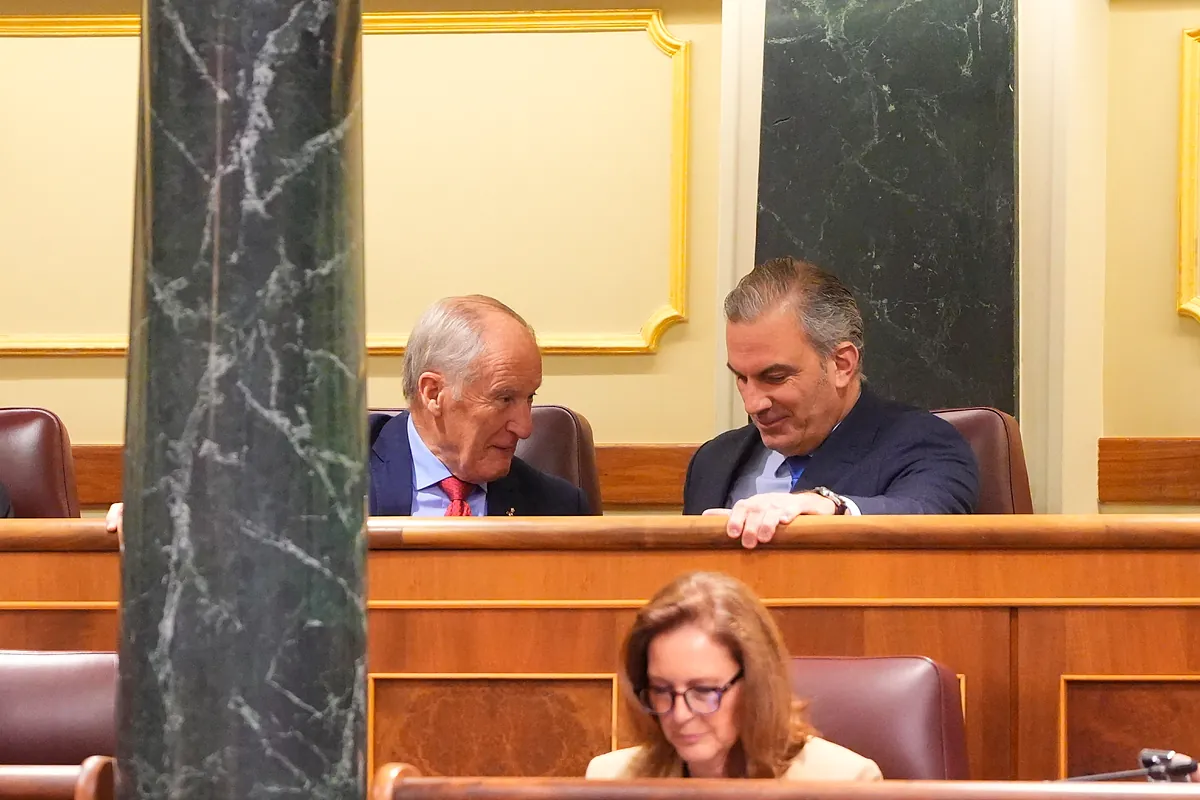
In parliamentary tradition, the allocation of seats is rarely arbitrary; it's a potent visual representation of power, hierarchy, and influence. The 'gallinero'—literally "the hen house"—is the colloquial term for the uppermost, last rows of the Spanish Congress's hemiciclo. Historically, these seats are reserved for less influential members, those on the periphery of their party's power structure, or newcomers. For Javier Ortega Smith, a former party heavyweight who often occupied seats strategically close to Santiago Abascal, his reassignment to the 'gallinero' is a deliberate and highly symbolic act of marginalization by Vox's leadership.
This move, executed as the Vox parliamentary group reconfigured its seating arrangements, sends an unequivocal message: Ortega Smith has been stripped of his leadership functions and is now on the outer fringes of the party's inner circle. It's a public display of disciplinary action, designed to underscore his diminished standing and to serve as a stark warning to any other deputies contemplating dissent. The symbolic weight of this relocation is immense; it's a political scarlet letter, visible to all members of parliament, the press, and the public. It marks the culmination of a period of internal strife and signals the party's intent to enforce rigid adherence to its leadership's decisions, even at the cost of publicly shaming a once-key figure. For a deeper dive into this specific action, refer to Ortega Smith Relegated to Congress 'Gallinero' by Vox.
Practical Insight: Understanding parliamentary seat allocation provides a unique lens into a party's internal health and power dynamics. A prominent figure's sudden move to the backbenches often signals significant internal conflict or a punitive measure from leadership.
Cracks in the Foundation: The Genesis of Internal Strife
The roots of Ortega Smith's current predicament trace back to his refusal to comply with a leadership directive regarding his municipal spokesperson role. While seemingly a localized issue, this act of defiance by a figure of his stature quickly escalated into a full-blown crisis, threatening to ripple through the party's national structure, particularly within the Congreso.
In any political party, internal discipline is paramount for maintaining cohesion and projecting a united front. When a high-profile figure like Ortega Smith openly challenges leadership, it creates a dangerous precedent. It invites speculation about broader discontent and emboldens other potential dissidents. The leadership's decision to act decisively—first by removing him from key party and parliamentary roles, then by the symbolic 'gallinero' move, and finally by a precautionary expulsion from the party—demonstrates their determination to quash any perceived rebellion before it could gain momentum. However, this hardline approach carries its own risks.
The conflict highlights the inherent tension between individual political ambition and party loyalty. Ortega Smith's past influence within Vox meant he commanded a certain degree of personal loyalty among some members. His public sidelining, therefore, isn't just about one individual; it's a litmus test for Santiago Abascal's leadership and his ability to command absolute loyalty from his parliamentary group. The decision to remove such a visible and often charismatic figure suggests that the internal disagreement was deemed significant enough to warrant drastic measures, potentially indicating deeper ideological or strategic rifts that have been brewing beneath the surface.
The Threat to Unity: What Ortega Smith's Rebellion Means for Vox in Congress
The most immediate and concerning implication of Ortega Smith's defiance and subsequent marginalization is the potential threat to Vox's unity within the Congreso. The references explicitly state that his rebellion "puede arrastrar a diputados al Grupo Mixto" – it could drag other deputies into the Mixed Group. This would be a significant blow to Vox's parliamentary strength and strategic positioning.
The Grupo Mixto (Mixed Group) in the Spanish Congress is composed of deputies from parties that don't meet the minimum requirements (e.g., a certain number of seats or percentage of votes) to form their own parliamentary group. It also serves as a destination for deputies who have been expelled from their original parties or who choose to leave them. Joining the Mixed Group results in reduced parliamentary resources, less speaking time, and diminished political influence compared to being part of a larger, cohesive party group. For Vox, a party that has carefully cultivated an image of strength and discipline, any defection to the Mixed Group would be a public relations disaster and a tangible loss of political capital.
If even a small number of deputies were to side with Ortega Smith or simply feel alienated enough by the party's internal handling of the situation, the impact could be profound. It would erode Vox's overall voting power, complicate its ability to push through legislative initiatives, and weaken its negotiating position with other parties. Furthermore, internal dissent, once public, is notoriously difficult to contain. It can create an atmosphere of distrust and factionalism, diverting energy from legislative work to internal damage control. Abascal's leadership faces the critical challenge of ensuring that the disciplinary action against Ortega Smith serves as a deterrent rather than a catalyst for further fragmentation.
What to Watch For: Key indicators of parliamentary group instability include public statements of solidarity with the marginalized member, votes that deviate from the party line, and a noticeable increase in rumors of disaffection among deputies. The size of the "Ortega Smith faction," if one truly coalesces, will be crucial in determining the extent of the damage to Vox's unity.
Beyond the Immediate: Broader Implications for Spanish Politics
The saga surrounding Javier Ortega Smith and his position within the Congreso extends beyond the internal dynamics of Vox; it holds broader implications for the landscape of Spanish politics. Internal party conflicts, particularly those involving high-profile figures, resonate across the political spectrum, affecting public perception, electoral strategies, and inter-party relations.
For Vox, the challenge is twofold: managing the immediate crisis to prevent further defections and restoring an image of unity and strong leadership. A party seen as internally fractured struggles to project credibility and effectiveness to the electorate. In a political environment where coalition building and parliamentary alliances are crucial, any sign of internal weakness can be exploited by political rivals. This episode could also influence Vox's ability to attract new members or maintain its existing support base, especially if voters perceive the party as becoming increasingly authoritarian or prone to internal purges.
More generally, this situation underscores the perennial challenges faced by all political parties in balancing discipline with dissent, and leadership authority with individual freedom of expression. It serves as a stark reminder that even seemingly monolithic parties are susceptible to internal pressures and power struggles. The outcome of this conflict will set a precedent for how internal dissent is handled within Spanish political parties and could influence the political culture regarding party loyalty and leadership accountability.
Actionable Insights: For observers of Spanish politics, the handling of the Ortega Smith situation offers valuable insights into Vox's long-term stability and strategic direction. It demonstrates the party's willingness to enforce strict discipline, even against founding members, which could be interpreted as a sign of strong leadership or, conversely, as a harbinger of potential authoritarian tendencies. Understanding these internal dynamics is crucial for predicting a party's future behavior and electoral performance.
Conclusion
The journey of Javier Ortega Smith from a key figure to the 'gallinero' of the Congreso marks a pivotal moment for Vox. It is a testament to the unforgiving nature of political power struggles and the stringent demands of party discipline. What began as a local disagreement has escalated into a national drama, exposing vulnerabilities within Vox's leadership and threatening its hard-won unity in parliament. As the party navigates these turbulent waters, the eyes of the Spanish political landscape remain fixed on the Congress, watching whether the current internal strife will be an isolated disciplinary measure or the harbinger of a deeper, more enduring fragmentation for Vox. The long-term impact of Ortega Smith's rebellion on Vox's cohesion and its role in Spanish politics remains to be seen, but its immediate effects are undoubtedly shaking the foundations of a party once known for its unwavering internal resolve.